Meet first
We talk through the people, the place, the mood, what you want to feel and what you do not want the day to become.
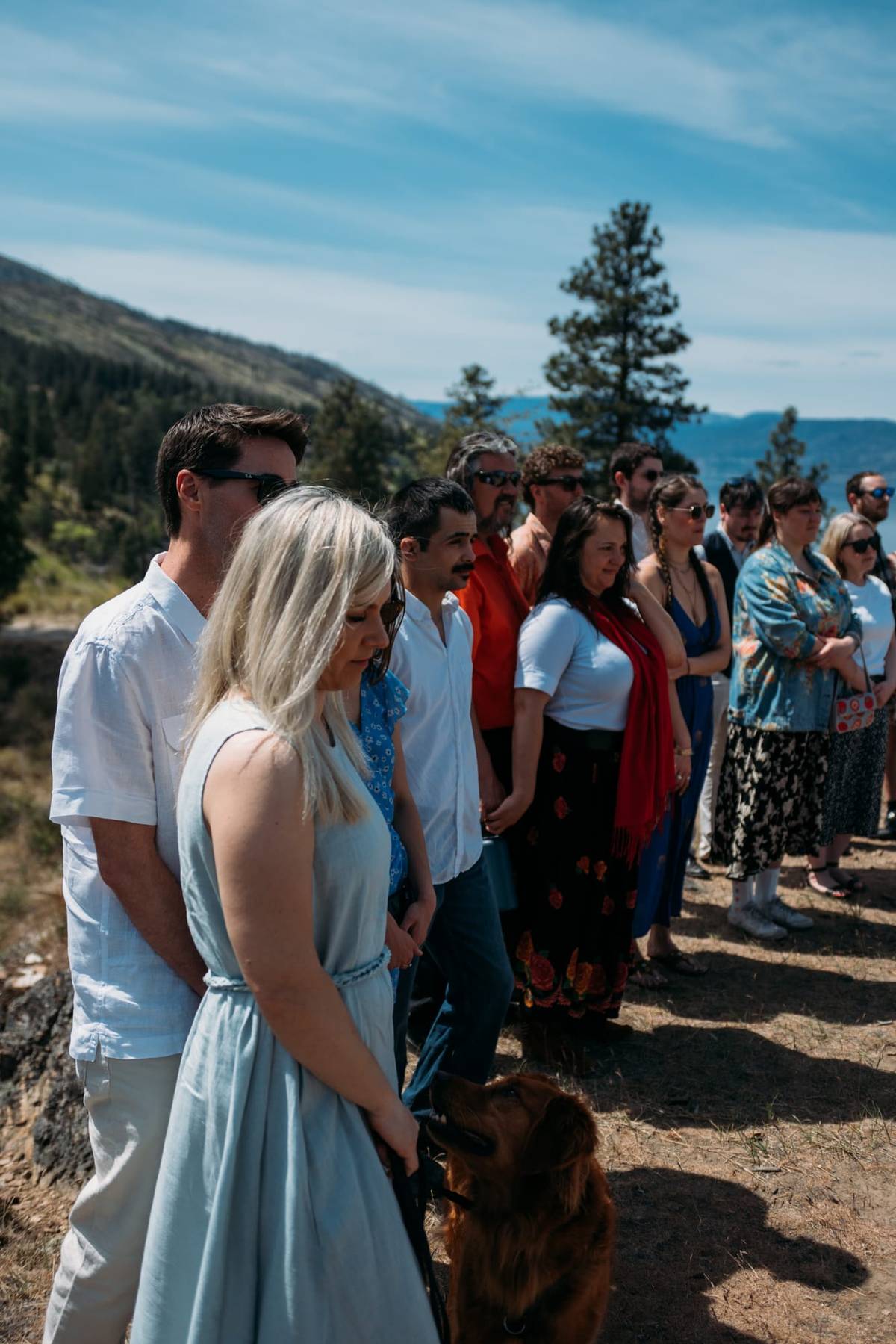
How wedding coverage works
Kelowna and Okanagan wedding photography should be planned enough that the important people are protected, and loose enough that the day still feels like yours.
Before the day
If we can meet in person, great. If you are planning from another city, a video call is enough. I want to hear what you love, what you dislike, what images inspire you, who matters most, and whether you lean toward polished portraits, documentary coverage or a mix of both.
That conversation turns into a practical plan: the schedule, the locations, the family photograph list, the moments that cannot be missed, and whether a second photographer or video crew would genuinely help.
Planning rhythm
The strongest wedding coverage usually comes from knowing the couple, understanding the family shape, and leaving enough room in the timeline that the photographs do not have to fight the day.
We talk through the people, the place, the mood, what you want to feel and what you do not want the day to become.
Inspiration images help clarify whether you want more glam, more documentary coverage, more movement or something quieter.
I look at prep, ceremony, portraits, family photographs, reception and travel so the coverage fits the actual day.
We make group photographs efficient by knowing the family tree, must-have combinations and any sensitivities ahead of time.
If the day has multiple locations, a large guest count or video needs, we discuss a second photographer or event video crew.
On the wedding day I move between direction and observation so portraits have shape and the real moments can still happen.
What helps
Parents, siblings, grandparents, chosen family, friends who carried you here, and anyone who needs extra care in the photographs.
A family list keeps portraits from eating the day. It also helps avoid awkward surprises when there are separations, sensitivities or complex groupings.
Some couples want editorial polish. Some want mostly documentary coverage. Most want both: direction when it helps, space when the real thing is better.
Because James is also a professional filmmaker, video coverage can be brought in as a real event crew rather than an afterthought.
Planning questions
Yes. I look at prep, ceremony, portraits, family photographs, reception and travel so the coverage fits the actual day.
A family list keeps portraits from eating the day and helps avoid awkward surprises when there are separations, sensitivities or complex groupings.
The plan should protect the important people and moments, but still leave enough room to work with real light, rain, wind, heat or whatever the day gives.
If the day has multiple locations, a large guest count, tight timing or video needs, we discuss whether a second photographer or event video crew would genuinely help.
Next step
The date, place, rough schedule, guest count, family priorities and the kind of photographs you are drawn to are enough to start.